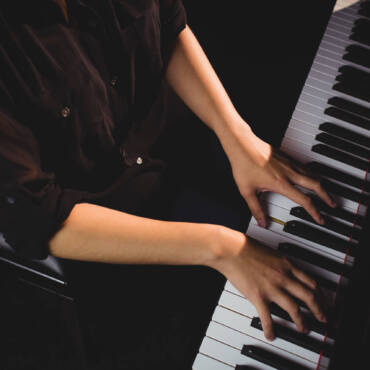

Learning piano is no longer just about reading notes and repeating exercises for hours. Today, many students in Calgary are looking for personalized, flexible, and goal focused piano lessons that fit their lifestyle. A common question I hear is simple but important: how long does it really take to learn piano with a teacher?
The honest answer is that learning piano is a journey, not a race. Progress depends on your goals, practice habits, age, and the way lessons are structured. In this guide, I will walk you through realistic timelines, what modern piano learning looks like today, and how studying with a private piano teacher like Miss Mila can support steady and enjoyable progress.
The Modern Trend in Piano Learning
One of the latest trends in piano education is personalized learning. Instead of rigid programs or crowded music schools, students are choosing private teachers who tailor lessons to individual needs. In Calgary, this trend has grown because learners want meaningful progress without pressure.
Modern piano lessons focus on:
- Understanding music, not just memorizing notes
- Playing songs you enjoy alongside technique
- Building confidence and consistency
- Learning at a pace that suits your schedule
With this approach, learning piano becomes more motivating and sustainable, which directly affects how quickly you improve.
What Does It Mean to “Learn Piano”?
Before talking about timelines, it is important to define what learning piano means to you. For some students, learning piano means being able to play a few favorite songs. For others, it means reading sheet music fluently, accompanying singers, or preparing for exams.
Common learning goals include:
- Playing simple melodies with both hands
- Reading basic sheet music
- Developing finger strength and coordination
- Playing confidently for friends or family
- Building a long term musical skill
Your definition of success will shape how long your piano journey feels.
How Long Does It Take for Beginners?
The First Month
In the first few weeks, beginners usually learn:
- Basic hand position
- Simple rhythm patterns
- Note names on the keyboard
- Short melodies using one hand
This stage is about building comfort with the instrument. Many students are surprised by how quickly they can start playing recognizable tunes.
Three to Six Months
With regular weekly lessons and consistent practice, most beginners can:
- Play with both hands together
- Read simple sheet music
- Maintain steady rhythm
- Play beginner level songs smoothly
At this point, students often feel more confident and motivated because progress becomes very noticeable.
One Year of Learning
After steady learning, beginners often reach a level where they can:
- Play a variety of songs
- Understand basic music theory
- Improve coordination and hand independence
- Develop better tone and control
This is where piano starts to feel like a real skill rather than a challenge.
Learning Piano as a Child vs an Adult
Children Learning Piano
Children often progress quickly in the beginning because their brains adapt fast. However, consistency and encouragement are key. Lessons at home with a private teacher provide a calm and focused environment where children can feel comfortable making mistakes and learning naturally.
Adults Learning Piano
Adults may progress more steadily and thoughtfully. While finger coordination might take a little longer, adults often understand concepts faster and practice with purpose. Many adult students in Calgary start piano as a hobby, stress relief, or lifelong dream.
Both age groups can succeed equally with the right guidance and mindset.
How Weekly Lessons Make a Difference
Studying with a teacher provides structure, feedback, and motivation. Weekly lessons help you:
- Correct mistakes early
- Stay accountable
- Learn efficient practice techniques
- Build confidence through guidance
As a private piano teacher working from home, Miss Mila focuses on one student at a time. This allows lessons to be calm, focused, and adapted fully to the student, without distractions or pressure.
Practice Time and Its Impact
Practice is one of the biggest factors in how long it takes to learn piano. Quality matters more than long hours.
A realistic practice routine might look like:
- Beginners: short daily sessions
- Intermediate students: focused practice several times a week
- Advanced learners: goal based and structured practice
Even consistent short sessions can lead to strong progress when guided properly.
Why Learning Piano Feels Faster With a Private Teacher
Private lessons create a learning experience that is flexible and supportive. Instead of following a fixed syllabus, lessons can adjust to:
- Your learning speed
- Your musical preferences
- Your strengths and challenges
This personalized approach often helps students progress more smoothly and enjoy the process.
Common Challenges and How to Overcome Them
Many students worry about slow progress, but this is completely normal. Common challenges include:
- Difficulty coordinating both hands
- Reading sheet music slowly
- Feeling stuck at a certain level
With patience and the right teaching approach, these challenges become learning milestones rather than obstacles.
Setting Realistic Expectations
Learning piano is not about rushing. It is about building a skill that lasts a lifetime. Small improvements add up over time, and consistency always wins over speed.
A supportive teacher helps you celebrate progress instead of comparing yourself to others.
Learning Piano in Calgary From Home
Taking piano lessons in a home based studio offers a relaxed and personal environment. Students often feel more at ease, which leads to better focus and confidence. This setup supports steady progress without unnecessary distractions.
Frequently Asked Questions
How long does it take to play songs confidently?
Most students can play simple songs confidently within a few months, depending on practice and lesson consistency.
Is it too late to start learning piano?
No. Piano can be learned at any age. Many adults start later and enjoy meaningful progress.
How often should I take piano lessons?
Weekly lessons are ideal for steady improvement and consistent guidance.
Do I need a piano at home to learn?
Yes, having regular access to a piano or keyboard helps reinforce learning between lessons.
Can I learn piano without pressure or exams?
Absolutely. Lessons can focus on enjoyment, personal goals, and practical skills rather than formal exams.
Final Thoughts
So, how long does it take to learn piano with a teacher in Calgary? The answer depends on your goals, commitment, and learning style. With personalized guidance, realistic expectations, and consistent practice, piano learning becomes an enjoyable and rewarding journey.
Studying with Miss Mila offers a calm, focused, and personal approach that supports steady progress and long term enjoyment of music.