
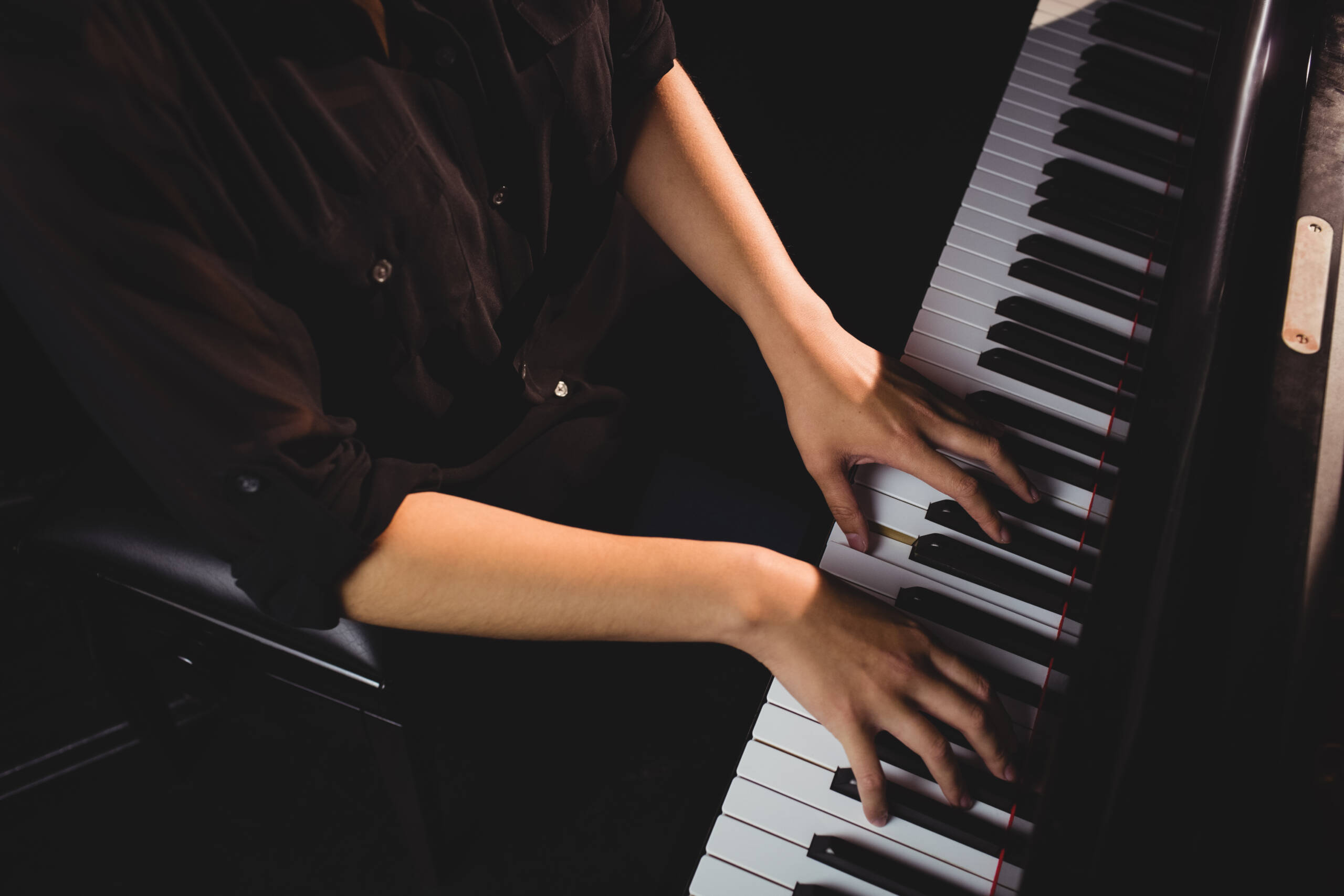
Choosing a piano teacher is one of the most meaningful decisions a parent or adult learner can make. The teacher you choose will shape your motivation, technique, confidence, and long term progress at the piano. With the growing interest in personalised music education and one to one learning in Calgary, more families are now asking deeper questions before committing to piano lessons.
If you are searching for a piano teacher who fits your learning style, personality, and goals, knowing the right questions to ask can help you make an informed choice. Below is a detailed guide to help you understand which questions truly matter when selecting the right teacher for you or your child.
Why Asking the Right Questions Matters
Piano lessons are a long term investment. A good teacher does more than teach notes. They nurture creativity, musical discipline, emotional expression, patience, and lifelong appreciation of the instrument. Asking thoughtful questions helps you:
• Understand the teacher’s approach
• Identify whether their teaching philosophy matches your learning style
• Learn how progress will be measured
• Feel confident about the learning environment
• Build trust and comfort before starting lessons
This guide is created to help students and parents know what to look for when choosing a Calgary-based piano teacher. Whether you are a complete beginner, an advanced student seeking refinement, or a parent supporting your child’s first steps into piano, these questions will help you feel confident in your decision.
**1. What Is Your Teaching Philosophy?
Every teacher has a unique approach to guiding students at the piano. Some focus more on classical technique, others on creative exploration, and some on structured lesson plans. Asking about teaching philosophy helps you understand:
• How the teacher motivates students
• Whether lessons focus on technique, creativity, or balanced growth
• How the teacher handles challenges and plateaus
• Whether the overall approach matches your goals
As a private teacher, Miss Mila believes that learning the piano should be supportive, structured, patient, and individually tailored. When a teacher clearly communicates their teaching philosophy, it becomes much easier to determine whether you feel aligned with their approach.
2. What Experience Do You Have Teaching Beginners or Advanced Students?
Whether you are a young beginner, an adult returning to music, or an advanced student preparing for exams, experience matters. Ask:
• How long they have been teaching
• What age groups they work with
• Whether they adapt techniques for different learning styles
• How they introduce foundational skills
A teacher who has worked with a wide range of students understands how to adapt lessons to individual needs. This creates a comfortable and encouraging environment where students can grow confidently.
3. What Does a Typical Lesson Look Like?
Understanding lesson structure helps you visualise what learning will feel like. Consider asking:
• How long are lessons
• How the time is divided between technique, repertoire, and theory
• Whether students get personalised assignments
• How much structure versus creativity is offered
Many students appreciate knowing what to expect each week. A clear structure also helps parents track progress and understand how skills develop over time.
4. Do You Offer Individualised Instruction Based on Learning Speed?
Every student learns differently. Some grasp concepts quickly while others need more time to build confidence. Asking this question helps you understand whether the teacher:
• Adjusts the pacing of lessons
• Tailors methods to match personality and age
• Offers patient, supportive guidance
• Helps students progress without pressure
Personalised teaching ensures that learning remains enjoyable and effective.
5. What Kind of Music Do You Teach?
Repertoire selection plays a huge role in keeping students motivated. Ask the teacher:
• Whether they teach classical music, pop, jazz, or a mix
• Whether students can request songs
• How new music is selected for each level
The best piano lessons strike a balance between technique building pieces and music that excites the student. When students connect emotionally with the music they play, progress becomes faster and more meaningful.
6. How Do You Track and Celebrate Progress?
Progress can be measured in many ways, including:
• Weekly lesson notes or assignments
• Performance opportunities
• Recording progress over time
• Personal milestones
• Exams if desired
Celebrating achievements, no matter how small, builds confidence and encourages consistent practice. Ask how the teacher helps students identify their improvements and stay motivated.
7. What Is Your Policy on Missed Lessons and Scheduling?
Before starting lessons, clarify:
• How cancellations are handled
• Rescheduling policy
• Holidays and breaks
• Whether long term scheduling is consistent
Clear communication about scheduling ensures a smooth and stress free learning experience.
8. Do You Teach From a Home Studio and What Is the Learning Environment Like?
Since private piano lessons in Calgary often take place in home studios, it helps to understand:
• The setup of the teaching space
• The type of piano used for lessons
• How comfortable and quiet the environment is
• Whether the space encourages focus and creativity
As a private piano teacher working from home, Miss Mila offers a warm, calm, and focused environment where students can learn without distractions. Knowing what the space feels like helps students feel at ease before starting lessons.
9. What Are Your Expectations for Practice?
Consistent practice is essential for progress. Ask:
• How much daily or weekly practice is recommended
• What students should focus on at home
• How practice expectations differ by age
• Whether practice logs or goals are used
Clear expectations help students stay on a steady path and keep parents informed about how to support their child.
10. What Should Students Bring to Their First Lesson?
This simple but helpful question prepares you or your child for the first meeting. A teacher may request:
• Any previous books
• A notebook
• A list of goals or preferred music styles
• Information about prior musical experience
Being prepared for the first lesson helps students feel confident and reduces anxiety.
11. How Do You Communicate With Parents or Adult Students?
Good communication builds trust. Ask how the teacher shares updates about progress, goals, or areas needing improvement. Some teachers prefer:
• In person updates
• Written notes
• Occasional check ins
• Communication at the end of each lesson
Knowing how the teacher keeps families informed helps create a strong partnership.
12. How Do You Make Lessons Enjoyable and Encouraging?
A positive environment makes learning more exciting for both children and adults. Ask about:
• How the teacher maintains motivation
• Whether lessons incorporate creativity
• How challenges are handled
• How the teacher keeps students engaged
A supportive atmosphere helps students stay enthusiastic and confident even when learning difficult concepts.
FAQ Section
1.How do I know if a piano teacher is the right fit?
Look for a teacher whose philosophy, communication style, and approach to learning feel comfortable and encouraging. Book an introductory lesson to experience their teaching firsthand.
2.Should beginners and advanced students ask the same questions?
Most key questions apply to all levels, but advanced students may also ask about technique refinement, repertoire options, and long term goals.
3.Is it important to visit the lesson space before committing?
Yes. Seeing the piano, the environment, and the overall atmosphere helps you understand whether you or your child will feel relaxed and motivated during lessons.
4.How much practice is required for progress?
Practice requirements vary by age and level, but consistency is more important than duration. Even short daily sessions build strong habits.
5.Can adult learners start lessons even if they have no experience?
Absolutely. Adults often progress quickly due to discipline and interest. There is no age limit for beginning or returning to piano lessons.
Final Thoughts
Hiring a Calgary piano teacher is an important decision, and asking thoughtful questions ensures that you find someone who understands your goals and supports your musical journey. With the right guidance, the piano becomes not only an instrument but a source of confidence, self expression, and joy.