Learning to play the piano can be one of the most rewarding journeys—both intellectually and emotionally. Whether you’re a complete beginner or looking to refine your existing skills, choosing the right private piano lessons in Calgary makes all the difference. But before you sign up, it’s important to ask the right questions to ensure the lessons fit your learning goals, schedule, and personality.
As a Calgary-based piano teacher, I, Miss Mila, have seen how clarity and preparation can turn a student’s musical aspirations into long-term success. Below are the key questions you should consider before booking your first lesson.
1. What Is the Teacher’s Background and Teaching Philosophy?
Understanding your piano teacher’s background helps you gauge their experience and approach. You might want to know:
- How long they’ve been teaching.
- What kind of students they typically work with.
- What their teaching philosophy is—structured, creative, or flexible.
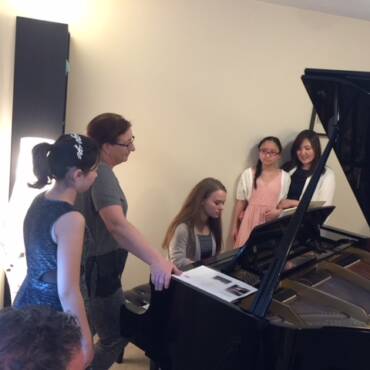
A private piano teacher who teaches from home often creates a more personal and focused environment. In my case, I believe in nurturing musical curiosity first, while building a strong technical foundation. Every student learns differently, and the goal is to balance enjoyment with discipline.
2. What Are Your Musical Goals?
Before starting lessons, take a moment to define your own goals.
Do you want to:
- Learn to play classical piano pieces?
- Understand music theory?
- Play your favorite pop songs?
- Prepare for RCM (Royal Conservatory of Music) exams?
Sharing your goals with your teacher helps tailor the lessons to your needs. As a private instructor, I always encourage open discussion so that lessons feel both personal and purposeful.
3. How Are Lessons Structured?
Private piano lessons can vary in structure. Some focus heavily on reading sheet music, while others integrate improvisation, ear training, or composition.
You might want to ask:
- What will a typical lesson look like?
- How much emphasis is placed on technique versus creativity?
- Are there regular reviews or progress check-ins?
For example, my lessons usually begin with warm-ups and scales, followed by repertoire work and musical interpretation. Every session ends with small take-home goals to keep motivation consistent between lessons.
4. What Are the Lesson Length Options and Scheduling Policies?
Consistency is key when learning piano. Ask about:
- Lesson length (30, 45, or 60 minutes).
- Frequency (weekly, biweekly, or flexible).
- Rescheduling or cancellation policies.
Private piano teachers who work independently often manage lessons around students’ availability, creating an adaptable and less formal environment compared to large music schools. This flexibility allows lessons to fit into your weekly rhythm without added stress.
5. What Is the Cost of Lessons, and What Does It Include?
Pricing varies based on the teacher’s experience and lesson length. But it’s not just about the rate—it’s about value.
Ask:
- Are materials (books, sheet music, digital resources) included?
- Are there additional fees for recitals or performances?
- How are payments made—weekly, monthly, or by term?
Transparent communication about pricing helps set expectations early and fosters trust between teacher and student.
6. What Are the Expectations for Practice?
Even the best piano lessons won’t lead to progress without consistent practice.
A good teacher will guide you on:
- How often to practice.
- What to focus on between lessons.
- How to manage motivation on challenging days.
From my teaching experience, I recommend setting a daily routine—10–15 minutes for beginners is often enough to start building fluency. Quality matters more than quantity in the beginning.
7. How Does the Teacher Support Student Motivation?
Learning an instrument takes patience, and motivation can fluctuate.
Ask about:
- How the teacher keeps students engaged.
- Whether there are performance opportunities (such as informal recitals).
- How feedback and encouragement are provided.
In a home-based setting, lessons often feel more relaxed and supportive. I focus on celebrating every small milestone—from mastering a new hand position to performing a full piece—because each success builds confidence and joy.
8. What Type of Piano or Keyboard Should You Have at Home?
For beginners, this is a common question. While a grand piano isn’t necessary, you should have:
- A full-sized (88-key) keyboard or piano.
- Weighted keys for proper finger development.
- A sustain pedal (if using a digital keyboard).
Your teacher can guide you on what’s best within your budget. A well-chosen instrument ensures smoother progress and better technique.
9. How Does the Teacher Adapt Lessons for Children vs. Adults?
Children and adults learn differently.
For younger students, lessons are often more playful and incorporate games, storytelling, or visual cues. Adult learners, on the other hand, may focus more on musical understanding and performance pieces.
A skilled piano teacher adjusts their methods to fit each student’s age, ability, and motivation.
10. What Is the Atmosphere of the Learning Space?
Since private piano lessons in Calgary are often taught from home, the environment should be calm, comfortable, and distraction-free.
You can ask:
- Is the piano tuned and maintained?
- Is there a quiet area for learning?
- How are lessons structured to create a relaxed learning flow?
Many students find that a cozy home studio encourages focus and creativity—without the pressure of a formal classroom setting.
11. Can I Observe or Try a First Lesson Before Committing?
A trial lesson helps you get a feel for the teacher’s style and communication.
It’s a chance to assess whether you feel comfortable, inspired, and understood.
During the first session, you might discuss goals, test your current level, and explore how lessons will be structured.
I always recommend that new students treat the first session as a friendly musical introduction rather than a test—it’s about discovering whether the chemistry feels right.
Why Asking These Questions Matters
When you take the time to ask these questions, you’re setting yourself up for a rewarding and lasting relationship with your teacher.
The goal of piano lessons isn’t just to play notes—it’s to build confidence, discipline, and a lifelong love for music.
Every student deserves a personalized path. With the right communication, learning becomes not only effective but deeply enjoyable.
FAQ Section
Q1: How do I know if private piano lessons are right for me?
If you prefer individual attention, flexible scheduling, and customized feedback, private lessons are ideal. They allow you to learn at your own pace in a comfortable environment.
Q2: How soon can I expect to play songs?
Most beginners can play simple melodies within the first few weeks, depending on practice frequency and comfort level.
Q3: I’m an adult beginner—am I too old to start learning?
Absolutely not! Adults often progress faster because they bring focus and self-discipline. It’s never too late to learn the piano.
Q4: What should I bring to my first lesson?
Just yourself and an open mind! Your teacher will guide you on books, materials, and equipment afterward.
Q5: How can I stay motivated between lessons?
Set small goals, listen to inspiring music, and celebrate each milestone. Regular communication with your teacher also helps maintain momentum.
Final Thoughts
Booking a private piano lesson in Calgary is the first step toward a deeply fulfilling creative pursuit. Asking thoughtful questions helps you find clarity and confidence in your musical journey.
With patience, practice, and the right guidance, you’ll soon discover that piano playing isn’t just about learning notes—it’s about expressing yourself through music.